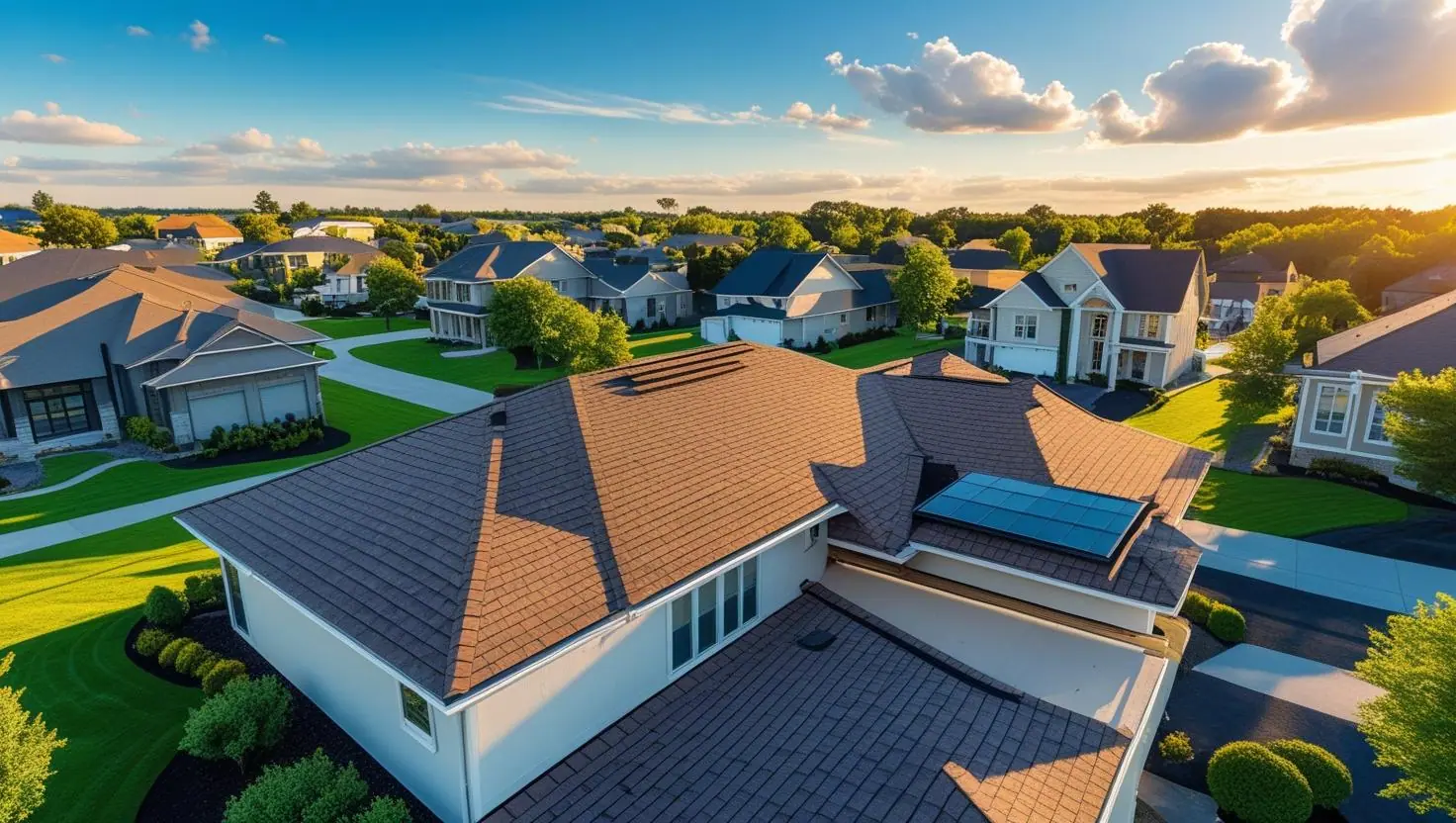
Blown-In Attic Insulation in Laguna Hills, CA
Energy-Saving Blown-In Attic Insulation for Laguna Hills, CA Homes — Licensed & Insured
Get expert blown-in attic insulation in Laguna Hills, CA. Fresh Breeze serves all South OC neighborhoods. Call (949) 776-1215 for a free quote today.
- Service area
- Laguna Hills, CA & nearby
- Phone
- (949) 776-1215
- Hours
- Mon-Sun 07:00-19:00
- Estimates
- Free, no obligation
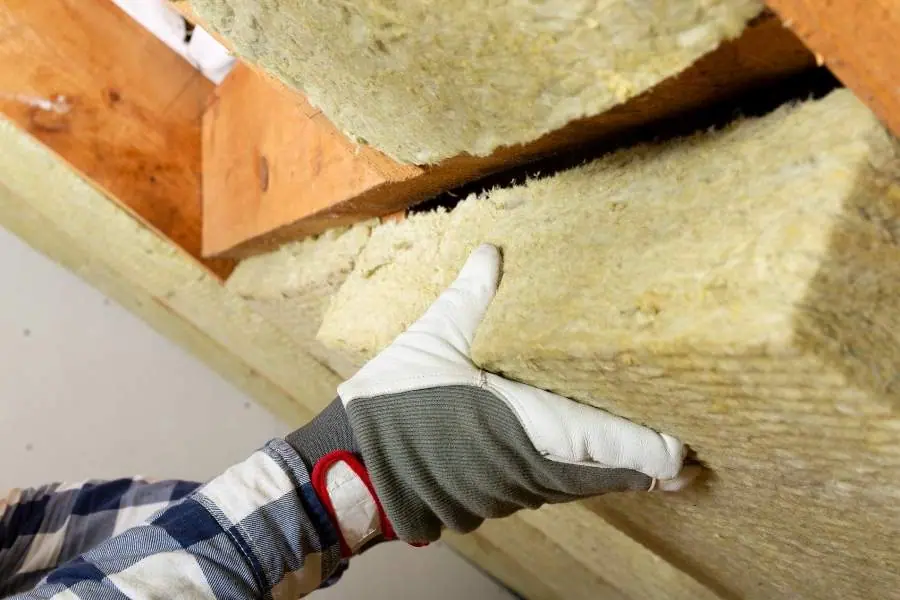
Blown-in attic insulation is a high-performance insulation method where loose-fill material — typically fiberglass or cellulose — is mechanically blown into your attic space using specialized equipment, creating a seamless, gap-free thermal barrier. Unlike batt insulation, blown-in material conforms to irregular joists, pipes, and obstructions common in Laguna Hills homes, delivering consistent R-value coverage throughout the entire attic floor.
Laguna Hills sits in the Saddleback Valley of South Orange County, where warm Mediterranean summers, marine layer mornings, and periodic Santa Ana wind events create unique thermal stress on residential structures. Homes in this community — many built during the 1970s and 1980s tract-home boom — frequently have aging or insufficient attic insulation that drives up energy costs and reduces indoor comfort.
Read moreShow less
Fresh Breeze Attic Insulation specializes in blown-in attic insulation services tailored specifically to the climate, home styles, and energy requirements of Laguna Hills and surrounding South Orange County communities. Call us today at (949) 776-1215 to schedule your free attic assessment.
Understanding Blown-In Attic Insulation
Blown-in attic insulation — also called loose-fill insulation — has been a trusted thermal solution in American homes since the mid-20th century. The method gained widespread adoption during the energy crisis of the 1970s, when federal and state governments began promoting residential energy efficiency programs. In California, Title 24 energy codes introduced mandatory insulation standards that pushed contractors and homeowners toward higher-performing options, and blown-in insulation emerged as one of the most cost-effective ways to meet and exceed those benchmarks.
The process involves a blowing machine that shreds and propels loose insulation material through a flexible hose directly into the attic cavity. The two most common materials used in Southern California are:
Read moreShow less
- Cellulose: Made from 80–85% recycled paper fiber treated with fire retardants, cellulose achieves an R-value of approximately R-3.2 to R-3.8 per inch. It performs well in the moderate humidity ranges typical of coastal-influenced communities like Laguna Hills.
- Fiberglass loose-fill: Composed of spun glass fibers, fiberglass offers an R-value of roughly R-2.2 to R-2.7 per inch and is highly resistant to moisture absorption — a meaningful benefit during the marine layer season that affects Laguna Hills from June through August.
The U.S. Department of Energy recommends that homes in California’s Climate Zone 8 — which includes Laguna Hills — achieve a minimum attic insulation level of R-38 to R-60 depending on the existing insulation and home configuration. Many Laguna Hills homes built in the 1970s and 1980s have original insulation rated at only R-11 to R-19, leaving a significant thermal performance gap.
Blown-in insulation is particularly well suited to the one- and two-story stucco tract homes that dominate Laguna Hills neighborhoods like Moulton Ranch, Nellie Gail Ranch, and Lake Laguna. These homes often feature complex roof lines, recessed lighting penetrations, and HVAC duct runs that would leave significant gaps if batt insulation were used. Blown-in material fills every contour, creating a complete air-sealing and thermal performance solution that modern California homeowners need.
For related services, see our full attic insulation services and our insulation removal options.
Why Blown-In Attic Insulation Is Needed in Laguna Hills, CA
The Saddleback Valley Climate Challenge
Laguna Hills occupies a transitional climate zone where Pacific marine air meets the drier inland valleys of South Orange County. Summer highs regularly reach 85–95°F in July and August, while attic temperatures in uninsulated or under-insulated homes can soar to 140–160°F on those same days. An attic at 150°F acts as a radiant heat source, pumping thermal energy into living spaces below and forcing air conditioning systems to work at maximum capacity for extended periods.
Winters are mild but not without thermal impact — overnight lows in December and January average 44–48°F, and without adequate attic insulation, heat escapes rapidly through the ceiling assembly, driving up heating costs and creating uncomfortable cold spots in upper-story rooms common in the two-story models that dominate communities like Moulton Ranch Estates.
Santa Ana Wind Events and Extreme Thermal Swings
Laguna Hills is directly affected by Santa Ana wind events, which typically occur from October through March. These offshore winds can push temperatures above 90°F in a matter of hours while simultaneously dropping relative humidity below 10%. The rapid and extreme temperature fluctuations — sometimes 30–40°F swings within a single 24-hour period — accelerate degradation of older fiberglass batt insulation. Batts installed in the 1970s and 1980s compress and settle over time, losing 20–40% of their original R-value. The October 2007 Santiago Fire and the November 2018 Woolsey Fire, both of which affected South Orange County, also deposited ash and particulates into attics throughout the region, compromising existing insulation materials in many Laguna Hills homes.
Marine Layer and Moisture Infiltration
The June Gloom marine layer that settles over Laguna Hills from late May through early August introduces consistent moisture to attic environments. When warm afternoon air displaces the marine layer each afternoon, the resulting condensation cycle can slowly degrade cellulose batts and corrode metal components. Homes in lower-elevation areas near the 73 Toll Road corridor and along Moulton Parkway see the heaviest marine layer influence and benefit most from moisture-resistant blown-in fiberglass or properly treated cellulose with adequate vapor management.
Aging Housing Stock
A significant portion of Laguna Hills’ residential housing was constructed between 1971 and 1992, when the city was rapidly developed from former Rancho Mission Viejo agricultural land. Homes from this era were typically insulated to the code minimums of the time — often R-11 in ceilings — and many have not had insulation upgrades since original construction. California’s updated Title 24 standards and SDG&E/Southern California Edison rebate programs now provide financial incentives for homeowners to bring attic insulation up to current R-38 to R-60 standards, making now an ideal time to invest in blown-in upgrades.
HVAC Efficiency and Utility Costs
Orange County residents pay among the highest electricity rates in California. Southern California Edison’s Tier 2 rates exceed $0.35 per kWh during summer peak periods. A properly insulated attic — upgraded from R-11 to R-49 — can reduce annual cooling and heating costs by 20–30%, representing savings of $400–$900 per year for a typical 2,000–2,800 square foot Laguna Hills home.
Free, no-obligation estimates
Talk to Fresh Breeze Attic Insulation
Tell us what you need and we’ll take it from there.
Signs You Need Blown-In Attic Insulation in Laguna Hills
Energy and Comfort Indicators
- Monthly summer electricity bills exceeding $250–$350 for a standard Laguna Hills home under 2,500 square feet
- Upper-floor rooms that feel noticeably hotter than lower floors during July and August afternoons
- Air conditioning running continuously without reaching the set thermostat temperature
- Cold drafts or uneven heating in upper-story bedrooms during December and January nights
Visual and Physical Signs in the Attic
- Existing batt insulation that appears compressed, flattened, or less than 5–6 inches thick
- Visible gaps around recessed lighting fixtures, plumbing penetrations, or HVAC ducts
- Discolored or stained insulation that may indicate moisture intrusion or ash contamination from past Santa Ana fire events
- Attic floor joists that are fully visible above the insulation — a clear sign of insufficient depth
Home Age and Maintenance Indicators
- Your home was built before 1993 and has never had an insulation upgrade
- Recent attic work (HVAC replacement, new roofing) that displaced or disturbed existing insulation
- Evidence of rodent activity or pest infestation that has compressed or soiled existing insulation material
Urgency Indicators
If you notice moisture staining, mold growth, or a musty odor emanating from ceiling fixtures, treat this as an urgent situation. Contact Fresh Breeze Attic Insulation at (949) 776-1215 immediately to prevent structural damage.
Our process
Our Blown-In Attic Insulation Process in Laguna Hills
Fresh Breeze Attic Insulation follows a systematic, multi-step process designed specifically for the home styles and climate conditions found throughout Laguna Hills and South Orange County.
- 01
Free Attic Inspection and Energy Assessment (Day 1 — 45–90 Minutes)
Our technician accesses your attic through the existing hatch — commonly located in hallway ceilings in Laguna Hills tract homes — and conducts a full inspection. We measure existing insulation depth at multiple points, assess air-sealing deficiencies, check f
- 02
Attic Air Sealing (Day 2 — 2–4 Hours)
Before any insulation is installed, our crew seals all penetrations using fire-rated caulk and expanding foam. This includes recessed lighting boxes, top plates, plumbing chases, and HVAC boot connections. In Laguna Hills homes with open-web truss roofs — comm
- 03
Depth Marker Installation (Day 2 — 30 Minutes)
We install depth rulers throughout the attic at regular intervals to ensure uniform insulation coverage and verify that the target R-value depth is reached consistently across the entire attic floor.
- 04
Blown-In Insulation Installation (Day 2 — 2–5 Hours Depending on Attic Size)
Using truck-mounted or trailer-mounted blowing equipment positioned in your driveway, our technician runs the hose into the attic and begins the installation. For a typical 1,800–2,400 square foot Laguna Hills home, we install blown-in material to achieve R-38
- 05
Post-Installation Inspection and Documentation (Day 2 — 30 Minutes)
Our crew photographs the completed attic to document depth and coverage, provides you with a written report confirming the R-value achieved, and supplies any documentation needed for utility rebate applications.
- 06
Cleanup and Site Restoration (Day 2 — 30 Minutes)
All equipment, packaging, and debris are removed. We restore your attic access hatch with a new weatherstripped cover if needed to prevent air bypass at the hatch — a commonly overlooked energy loss point in older Laguna Hills homes.
Blown-In Insulation Methods and Approaches
Dry Blown-In Cellulose
The most common method used in Laguna Hills retrofit projects, dry blown cellulose is ideal for open attic spaces with good accessibility. Cellulose achieves higher R-value per inch than standard fiberglass batts and offers superior air resistance. It is the preferred choice for homes in interior Laguna Hills locations — such as those along Paseo de Valencia — where marine layer moisture impact is lower and thermal performance is the primary goal.
Dry Blown-In Fiberglass
Blown fiberglass loose-fill is recommended for Laguna Hills homes with greater moisture exposure — particularly those in lower-elevation areas near Aliso Viejo Parkway or homes with known ventilation limitations. Fiberglass does not absorb moisture, resists mold growth, and maintains its R-value even in humid attic environments associated with the June marine layer season.
Wet-Spray Cellulose (Stabilized)
Used in new construction or when insulating cathedral ceiling cavities, wet-spray cellulose is mixed with a small amount of water before application, causing it to adhere to surfaces. This method is applicable in Laguna Hills new-build additions or when topping off existing batt systems in cathedral ceiling sections common in custom homes in the Nellie Gail Ranch area.
Dense-Pack Blown-In
Dense-pack installation drives loose-fill material into enclosed cavities — such as wall bays or sloped ceiling sections — at high density (approximately 3.5 lbs per cubic foot for cellulose). This method is used in Laguna Hills homes undergoing comprehensive energy retrofits, particularly older two-story models with accessible wall cavities. See our spray foam insulation page for cavity applications requiring a different solution.
Combination Approach: Batt Plus Blown-In Top Coat
For homes with intact but undersized existing batts, we install blown-in material directly over the existing layer to bring total R-value up to current California standards without requiring full removal — a cost-effective approach commonly applied in Laguna Hills homes built between 1978 and 1990.
Blown-In Attic Insulation Cost in Laguna Hills, CA
Understanding the cost of blown-in attic insulation helps Laguna Hills homeowners plan their investment and identify available rebates and savings opportunities.
Typical Price Ranges
- Standard retrofit (open attic, 1,500–2,000 sq ft): $1,200–$2,200 installed, achieving R-38
- Mid-size home (2,000–2,500 sq ft) to R-49: $1,800–$3,000 installed
- Large or complex attic (2,500–3,500 sq ft), R-49 to R-60: $2,800–$4,500 installed
- Air sealing only (no insulation added): $400–$900 depending on number of penetrations
- Insulation removal prior to blown-in installation: $1.00–$2.00 per square foot — see our insulation removal service page
Key Cost Factors in Laguna Hills
- Attic accessibility: Low-pitch roofs common in 1970s Laguna Hills ranch-style homes reduce working clearance and increase labor time
- Existing insulation condition: Contaminated or rodent-damaged insulation requires removal before installation, adding cost
- Material choice: Fiberglass loose-fill is typically priced 10–15% higher per square foot than cellulose due to material costs
- Target R-value: Upgrading from R-11 to R-38 requires significantly more material than topping off from R-19 to R-38
Read moreShow less
Available Rebates and Incentives
Southern California Edison’s Energy Upgrade California program offers rebates of $0.10–$0.25 per square foot for qualifying blown-in insulation installations that meet specific R-value thresholds. Federal tax credits under the Inflation Reduction Act (Section 25C) also cover 30% of insulation upgrade costs up to $1,200 annually. Call us at (949) 776-1215 for current rebate guidance specific to your Laguna Hills property.
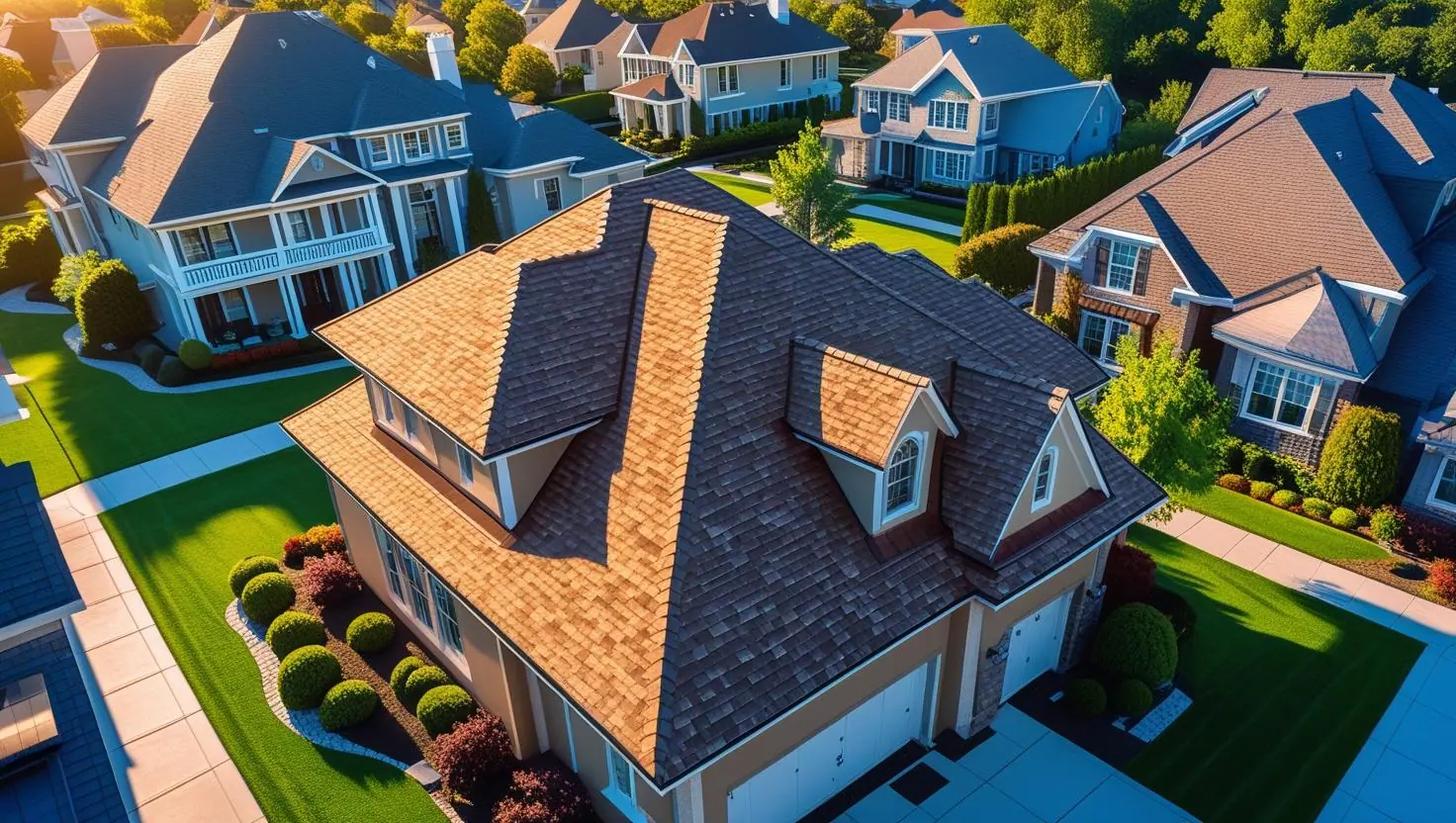
Neighborhoods in Laguna Hills We Serve
Nellie Gail Ranch
One of Laguna Hills’ most established equestrian communities, Nellie Gail Ranch features custom and semi-custom homes built primarily between 1971 and 1988. These larger homes — often 2,800–4,500 square feet — have complex rooflines, multiple attic zones, and original insulation that has compressed significantly over five decades. We frequently perform dense-pack and multi-zone blown-in projects throughout this neighborhood.
Moulton Ranch
Moulton Ranch includes a mix of attached townhomes and detached single-family residences developed in the 1980s. Many units share attic spaces or have limited attic access, requiring careful installation planning. We adapt our equipment and hose routing to serve the narrow, low-clearance attics found in this community.
Lake Laguna Area
Homes near the Lake Laguna recreation area tend to see higher marine layer exposure due to their elevation and proximity to coastal drainage patterns. We recommend blown fiberglass loose-fill for maximum moisture resistance in these properties, along with enhanced vapor management at the attic floor.
Aliso Viejo Adjacent Communities
The eastern edges of Laguna Hills bordering Aliso Viejo include numerous 1990s-era homes that may still meet minimum original code requirements but fall short of current California Title 24 standards. We serve these areas with top-off blown-in installations that bring existing insulation up to R-49 efficiently and affordably. See also all of our service areas across South Orange County.
Attic Insulation Maintenance Tips for Laguna Hills Homeowners
- Inspect annually after Santa Ana season (April): Santa Ana winds introduce dust, debris, and occasionally smoke particles that can settle into attic insulation. A brief visual inspection each spring confirms material integrity.
- Check attic ventilation screens: Laguna Hills homes use soffit and ridge vents that can become blocked by landscaping debris or bird nesting. Blocked vents trap heat and moisture, degrading insulation performance.
- Seal the attic access hatch: An unsealed or uninsulated attic hatch can lose the equivalent of leaving a small window open. Apply weatherstripping and add an insulated cover rated at R-10 or higher.
- Monitor for pest activity: Ground squirrels, roof rats, and birds common in the Saddleback Valley hills can infiltrate attic spaces and compress or contaminate blown-in material. Address any pest entry points promptly.
- Avoid storing items directly on insulation: Placing boxes or equipment on blown-in material compresses it, reducing R-value in those areas. Use attic storage platforms raised above the insulation layer.
- Check depth after HVAC service: Any HVAC technician working in your attic may displace blown-in material around ducts. Verify depth in disturbed areas after any attic service visit.
- Reassess every 15–20 years: Even high-quality blown-in insulation settles 5–10% over two decades. A top-off installation restores full R-value and can be combined with updated air sealing for maximum benefit.
Why Choose Fresh Breeze Attic Insulation in Laguna Hills
Fresh Breeze Attic Insulation is a South Orange County-focused insulation contractor with deep knowledge of the specific home types, climate conditions, and energy code requirements that define the Laguna Hills market. We are not a national franchise applying generic solutions — we understand the difference between a 1975 Nellie Gail Ranch custom home and a 1988 Moulton Ranch townhome, and we adapt our approach accordingly.
Our team is trained in California Title 24 compliance requirements and can guide you through the Southern California Edison and SoCalGas rebate process from start to finish. We use professional-grade blowing equipment and premium insulation materials appropriate for the marine-influenced, Santa Ana-affected climate of South Orange County.
Read moreShow less
We offer a comprehensive suite of services beyond blown-in insulation, including spray foam insulation, crawl space insulation, crawl space encapsulation, and insulation replacement — making us your single-source insulation contractor for any project in Laguna Hills.
Call (949) 776-1215 to speak directly with a Laguna Hills insulation specialist today.
FAQ
Frequently Asked Questions About Blown-In Attic Insulation in Laguna Hills
How much does blown-in attic insulation cost in Laguna Hills?
Most Laguna Hills homeowners pay between $1,200 and $3,500 for a complete blown-in attic insulation installation, depending on attic square footage, existing insulation conditions, target R-value, and material selected. Homes requiring insulation removal before installation should budget an additional $1.00–$2.00 per square foot for that phase. Southern California Edison rebates and federal tax credits can reduce net cost by 20–35%.
How long does blown-in attic insulation installation take in a typical Laguna Hills home?
For most single-story or two-story homes in Laguna Hills ranging from 1,500 to 2,500 square feet, the complete installation — including air sealing and blown-in application — is completed in a single day, typically 4–8 hours total. Larger homes or projects requiring full insulation removal may require two days.
What R-value do I need for my Laguna Hills attic?
California’s Title 24 energy standards place Laguna Hills in Climate Zone 8, which requires a minimum of R-38 in existing home attics and R-49 in new construction. The Department of Energy recommends R-49 to R-60 for maximum energy performance in this climate zone. We recommend R-49 for most Laguna Hills homes as the optimal balance of cost and energy savings.
Is cellulose or fiberglass blown-in insulation better for Laguna Hills homes?
Both perform well in this climate. Cellulose offers slightly higher R-value per inch and uses recycled content, making it a popular choice for interior Laguna Hills neighborhoods. Fiberglass loose-fill is preferred for homes with higher marine layer exposure or past moisture issues, as it does not absorb water and resists mold. Our inspection will help identify which material is best for your specific property.
Will blown-in insulation help reduce my Southern California Edison bills?
Yes — significantly. Laguna Hills homeowners upgrading from R-11 to R-49 typically see 20–30% reductions in heating and cooling energy use. At current SCE Tier 2 rates of approximately $0.35 per kWh, this translates to annual savings of $400–$900 for a 2,000–2,500 square foot home. Most projects achieve full payback within 3–6 years.
Do I need to remove old insulation before adding blown-in insulation?
Not always. If existing insulation is intact, dry, and free of pest contamination or mold, we can blow new material directly over the existing layer to reach the target R-value. However, insulation that has been contaminated by rodents, damaged by moisture, or significantly compressed should be removed first. Our free inspection will determine which approach is appropriate for your attic.
How does blown-in insulation hold up during Santa Ana wind events?
Properly installed blown-in insulation is not affected by Santa Ana wind events at the attic level, as the material sits below the ventilated attic space. However, attic ventilation screens should be intact to prevent debris infiltration during high-wind periods. After severe Santa Ana events, we recommend a brief visual check of your attic vents to ensure no blockages have formed.
Do you serve other cities near Laguna Hills?
Yes. In addition to Laguna Hills, Fresh Breeze Attic Insulation serves Laguna Beach, Mission Viejo, Lake Forest, Laguna Woods, Aliso Viejo, Rancho Santa Margarita, Ladera Ranch, Irvine, Newport Beach, Dana Point, San Juan Capistrano, and many other South Orange County communities. See our full service area page for details.
Get Your Free Blown-In Attic Insulation Quote in Laguna Hills Today
Don’t let an under-insulated attic drive up your energy bills through another South Orange County summer. Whether your Laguna Hills home is a 1970s Nellie Gail Ranch custom or an 1980s Moulton Ranch townhome, Fresh Breeze Attic Insulation has the local expertise and professional equipment to bring your attic up to current California Title 24 standards — and help you claim every available rebate in the process.
Contact us today to schedule your free, no-obligation attic inspection and blown-in insulation estimate:
- Phone: (949) 776-1215
- Service Area: Laguna Hills and all of South Orange County
Call now and speak directly with a Laguna Hills insulation specialist. Same-week appointments are available.
Get in touch
Find insulation help near you
Request a free estimate online or give us a call — our team will follow up quickly.
- Call us(949) 776-1215
- Visit23151 Moulton Pkwy, Laguna Hills, CA 92653
- HoursMon-Sun 07:00-19:00